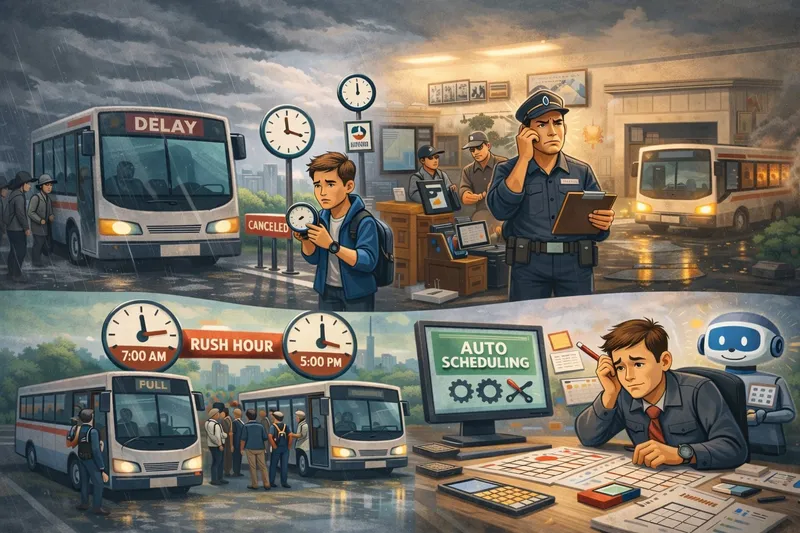
Timetable Generation vs Trip Scheduling: What Transport Operators Get Wrong
In most transport organisations, timetables get a lot of attention. They’re reviewed, approved, published, and often treated as the backbone of the operation. O...
Curated articles, playbooks, and field notes filed under ITMS.
In most transport organisations, timetables get a lot of attention. They’re reviewed, approved, published, and often treated as the backbone of the operation. O...
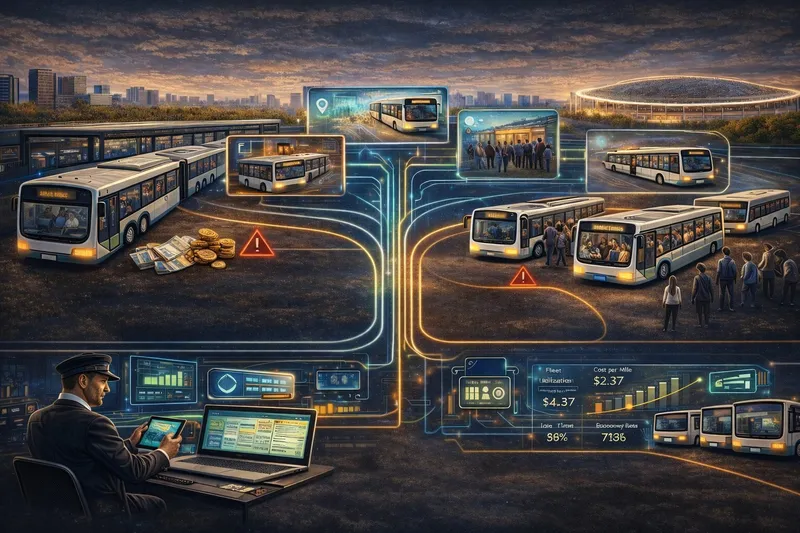
In many transport systems, bus allocation still runs on habit. A route gets a certain type of bus because it has always had that bus.
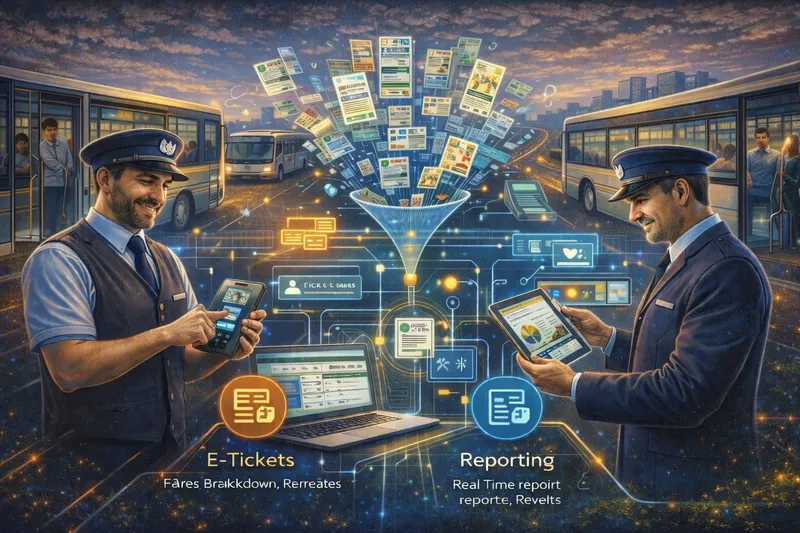
In most public transport systems, conductors are expected to manage a lot—ticketing, cash handling, passenger queries, reporting issues, and keeping trips movin...
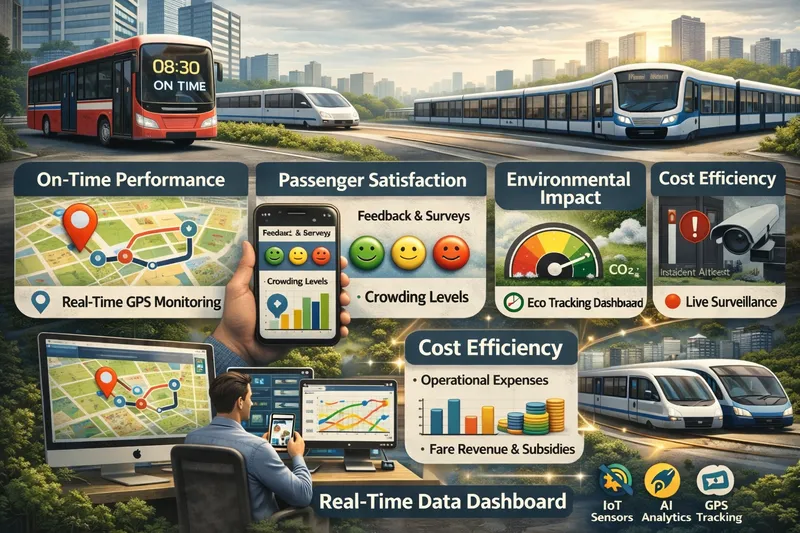
Public transport in 2026 is being measured on a very different yardstick than it was even a few years ago. Today, decision-makers are less interested in how man...
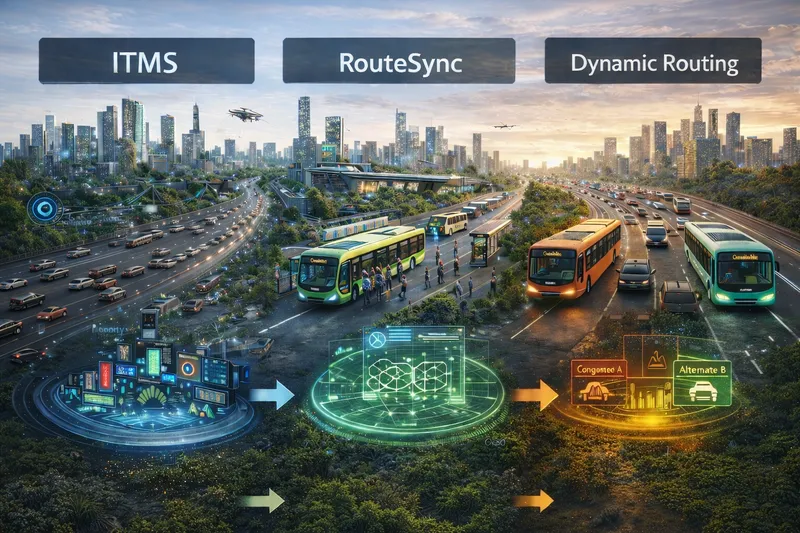
Urban mobility is entering a phase where “planning” is no longer enough. For decades, public transport systems have been designed around fixed routes, fixed sch...

Whenever traffic congestion reaches a breaking point, the same solution comes up again and again: widen the road. Add another lane. Build a flyover. Push traffi...
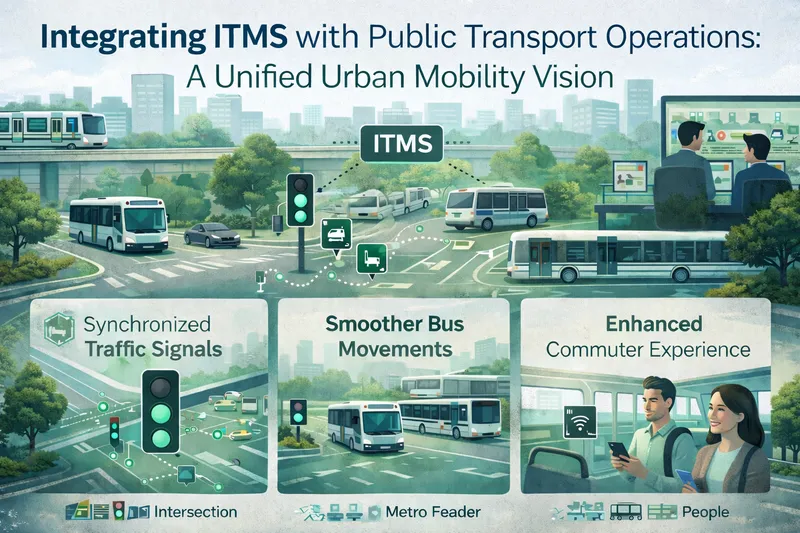
In most cities, traffic systems and public transport still live in separate worlds. Traffic signals are managed one way, buses and shuttles another, and feeder...
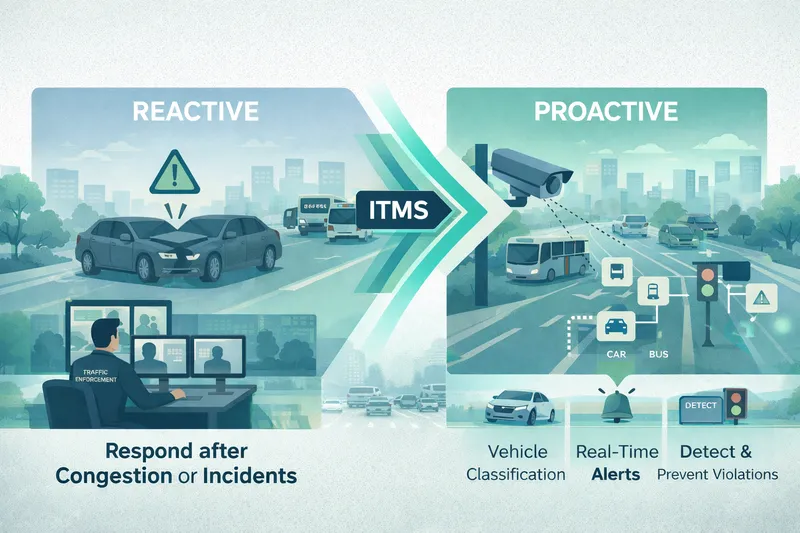
For years, traffic control in cities worked on a simple rule: wait until something goes wrong, then try to fix it. A junction backs up, an accident is reported,...
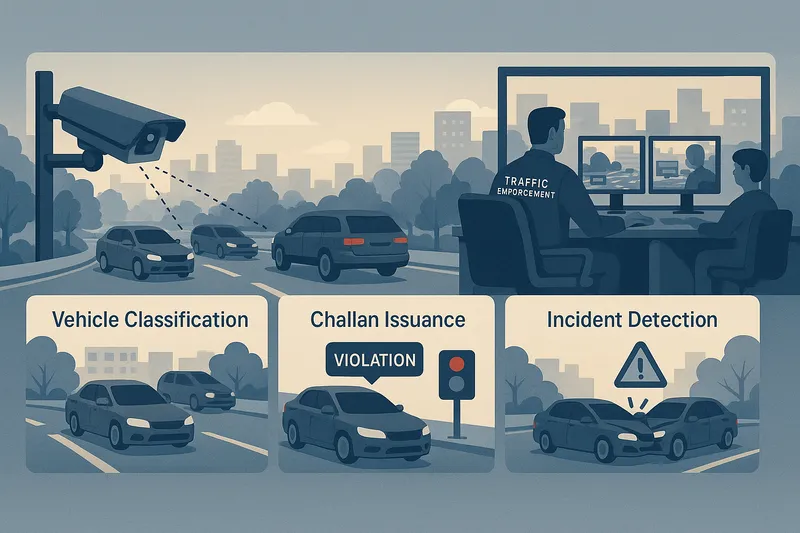
If you sit inside a traffic control room for even a few hours, you realise how quickly things can go wrong. One stalled car, one signal jump, one blocked lane —...
Showing 19 to 27 of 76 results