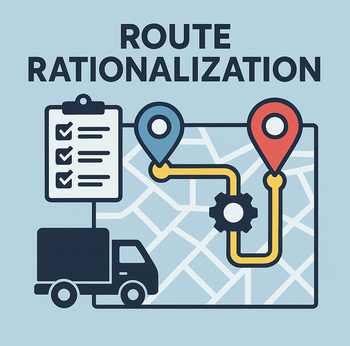
Route Rationalization
Use AI-based models and traffic data to optimize public transport routes for cost-efficiency, coverage, and reduced congestion.
Transform public transport with our Intelligent Integrated Transport Management System (IITMS). From route rationalization to real-time bookings and grievance resolution, IITMS empowers authorities, operators, and passengers with smart, digital, and connected mobility infrastructure.
Use AI-based models and traffic data to optimize public transport routes for cost-efficiency, coverage, and reduced congestion.

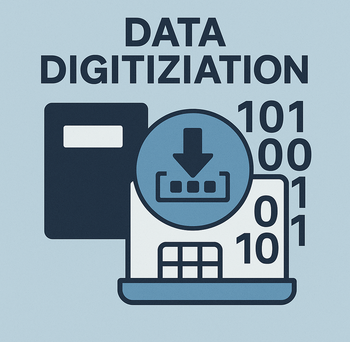
Digitize transport records including schedules, ridership, infrastructure, and feedback to enable smart analysis and decision-making.
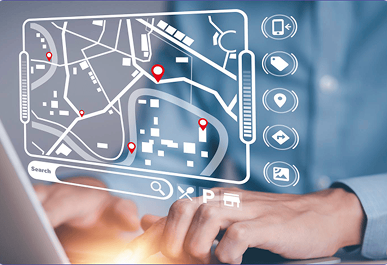
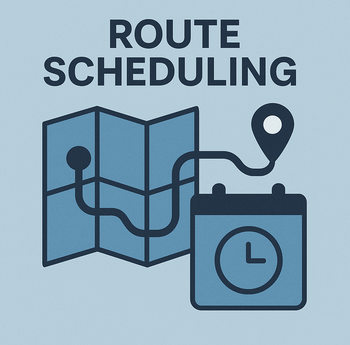
Design dynamic schedules using historical data, peak hour analysis, and vehicle availability with automated tools.

Offer commuters multiple booking channels — web, mobile, onboard, or counters — integrated in real-time for a seamless experience.
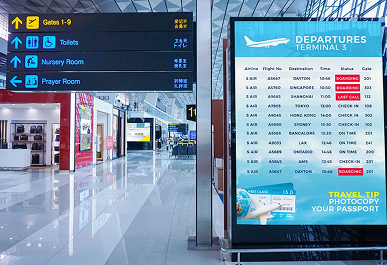
Deploy dynamic displays and announcement systems at stops and terminals to provide real-time vehicle and schedule info.

Enable a centralized platform for receiving, tracking, and resolving commuter complaints with transparency and accountability.
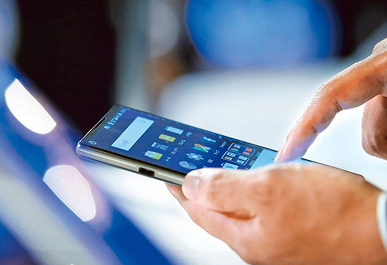
Role-specific mobile apps for passengers, drivers, depot officers, and inspectors to streamline communication and operations.

Expose transport APIs to ONDC or municipal dashboards, integrating with smart city command centers and citizen portals.
Pick a module on the left to see how it works, who it serves, and how it plugs into the wider IITMS platform.
Analyze current route performance and demand density
Use GIS data and AI models to redesign inefficient routes
Reduce congestion, operational cost, and travel time
Monitor operations, track performance, and make data-driven decisions with a single dashboard integrating all IITMS modules.
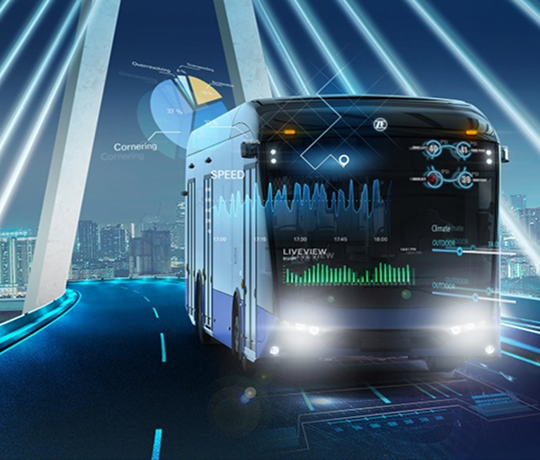
Provide ETA updates, route changes, seat availability, and trip alerts — keeping passengers informed and confident.
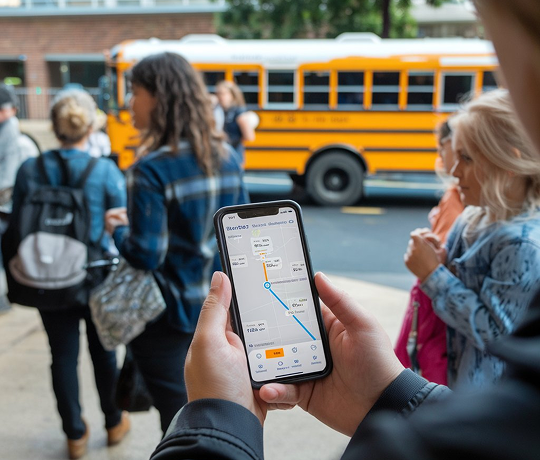
IITMS adapts to every operator profile — urban, educational, intercity, and beyond.
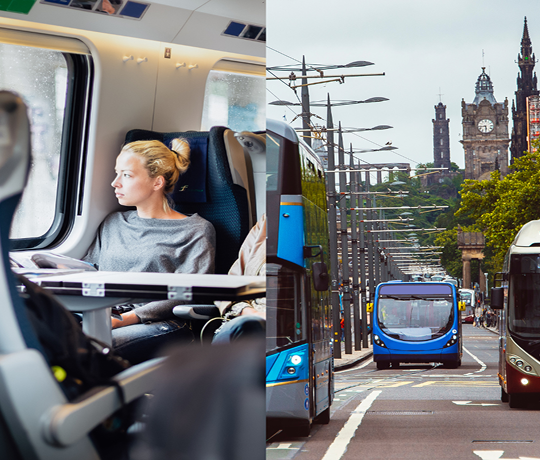
Detailed write-ups on each IITMS module — published to help transport authorities, operators, and partners shape the next generation of public mobility.
How AI-driven route optimization reduces congestion, lowers operating cost, and lifts ridership across city networks.
Read moreTurning legacy logs, ridership records, and infrastructure surveys into a structured, analytics-ready data backbone.
Read moreUsing historical demand and vehicle availability to generate peak/off-peak schedules that just work.
Read moreA single, real-time booking layer behind app, web, counter, and onboard channels — ONDC-ready by design.
Read moreHow LED boards, audio announcements, and kiosk screens come together to keep commuters informed end-to-end.
Read moreCentralized complaint intake, auto-routing, and SLA tracking — a transparent feedback loop for transit agencies.
Read more