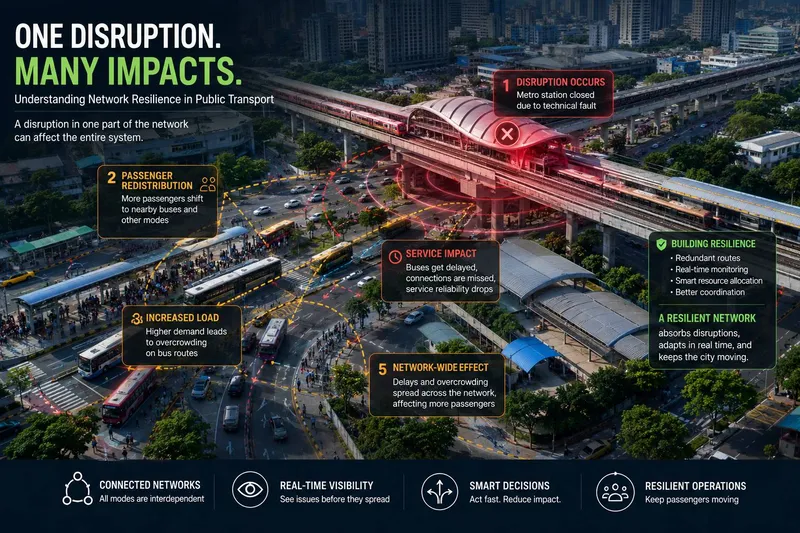
Why Public Transport Networks Fail at the Edges: The Science of Network Resilience
A public transport network can appear to work perfectly on a normal day. Buses are running, metro trains are operating, depots are dispatching vehicles, and pas...
Articles tagged with any of: Crew Management & IITMS.
A public transport network can appear to work perfectly on a normal day. Buses are running, metro trains are operating, depots are dispatching vehicles, and pas...
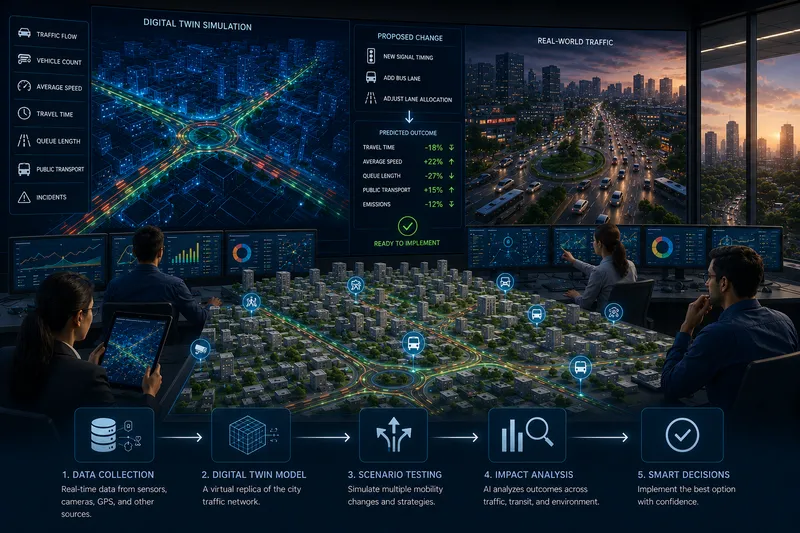
For decades, most traffic planning decisions in cities followed a familiar pattern. A road would become congested, traffic studies would be conducted, changes w...

When cities first brought AI into traffic systems, the thinking was quite practical. They needed better monitoring. Too many violations, too much dependency on...
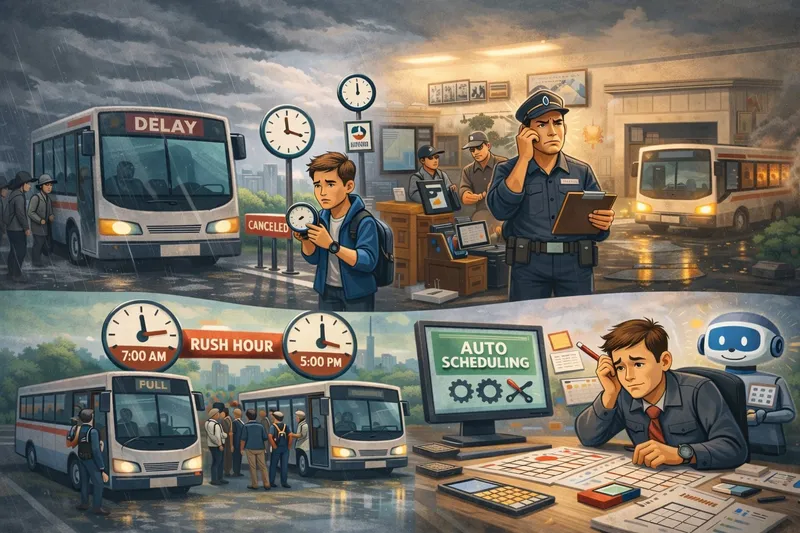
In most transport organisations, timetables get a lot of attention. They’re reviewed, approved, published, and often treated as the backbone of the operation. O...
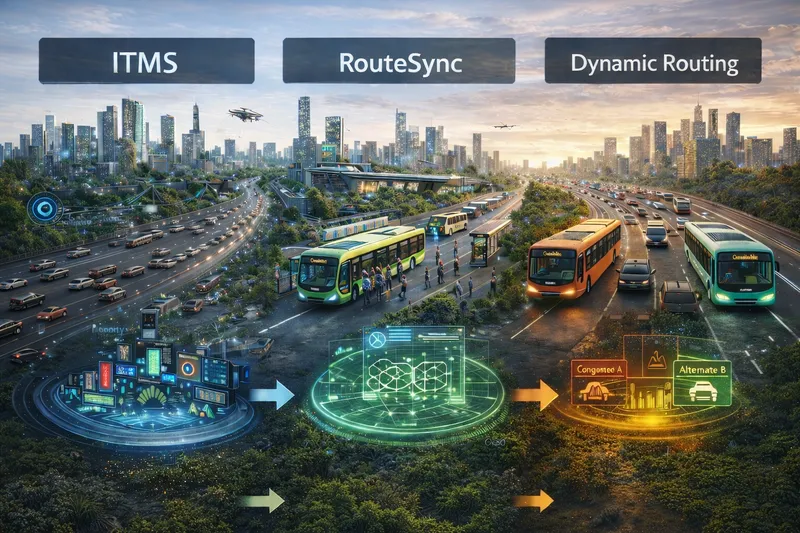
Urban mobility is entering a phase where “planning” is no longer enough. For decades, public transport systems have been designed around fixed routes, fixed sch...
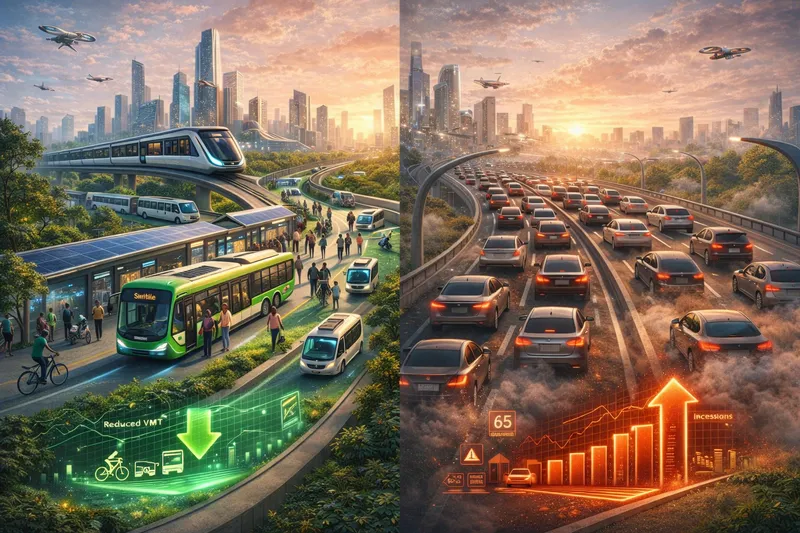
Whenever traffic congestion reaches a breaking point, the same solution comes up again and again: widen the road. Add another lane. Build a flyover. Push traffi...
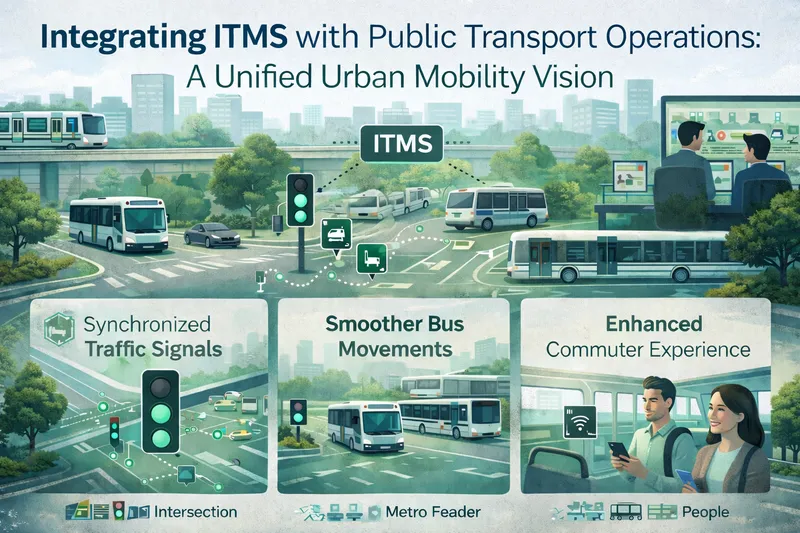
In most cities, traffic systems and public transport still live in separate worlds. Traffic signals are managed one way, buses and shuttles another, and feeder...
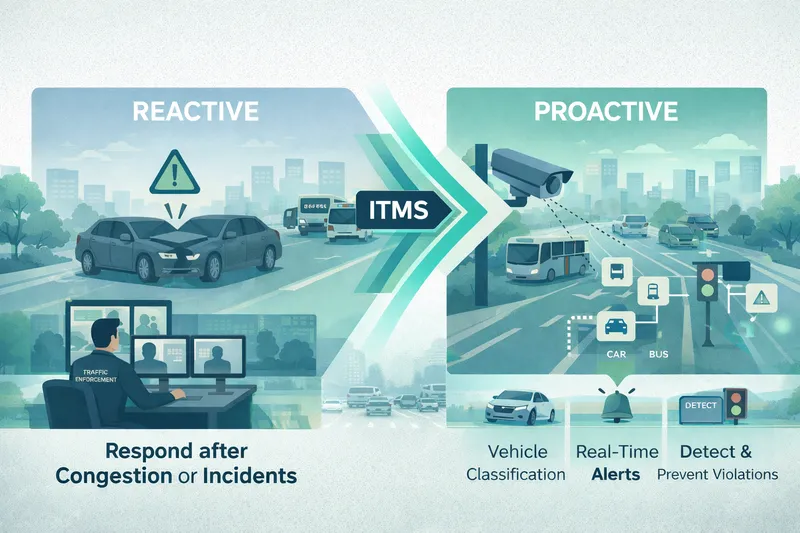
For years, traffic control in cities worked on a simple rule: wait until something goes wrong, then try to fix it. A junction backs up, an accident is reported,...
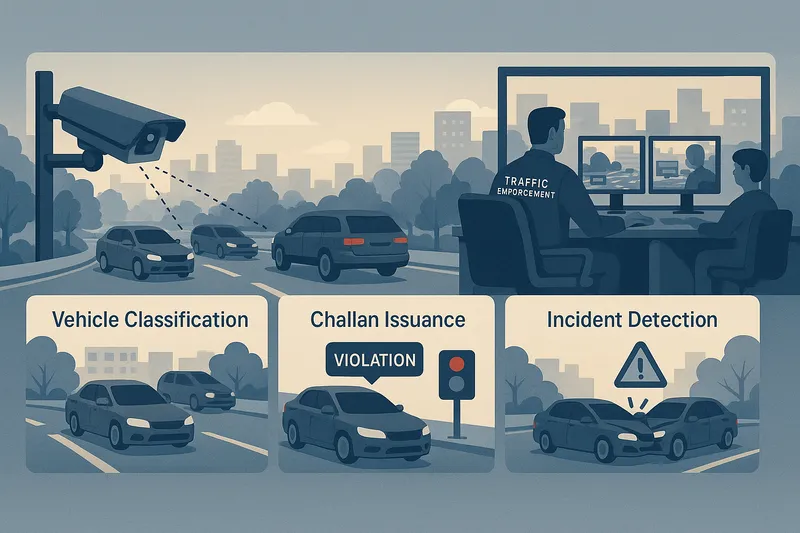
If you sit inside a traffic control room for even a few hours, you realise how quickly things can go wrong. One stalled car, one signal jump, one blocked lane —...
Showing 1 to 9 of 13 results