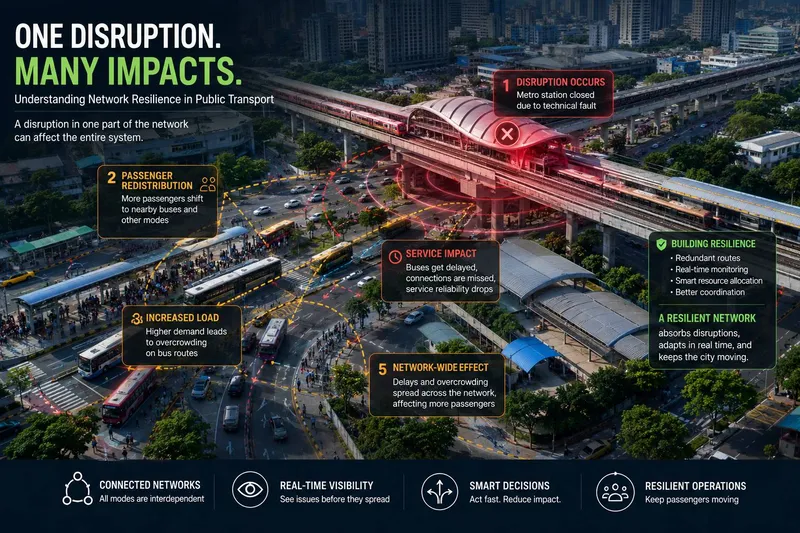
Why Public Transport Networks Fail at the Edges: The Science of Network Resilience
A public transport network can appear to work perfectly on a normal day. Buses are running, metro trains are operating, depots are dispatching vehicles, and pas...
Articles tagged with any of: Fleet Sizing & TransiTrack.
A public transport network can appear to work perfectly on a normal day. Buses are running, metro trains are operating, depots are dispatching vehicles, and pas...

Managing a public transport dispatch system is often one of the most demanding parts of running a bus network. While passengers mainly notice buses arriving at...

In public transport operations, incidents are inevitable. No system runs an entire day without disruption. Vehicles break down, traffic conditions change unexpe...

Most cities eventually reach this point. Someone says, “We need GTFS.” Someone else says, “We already have our own data format.” IT asks about integration. Oper...
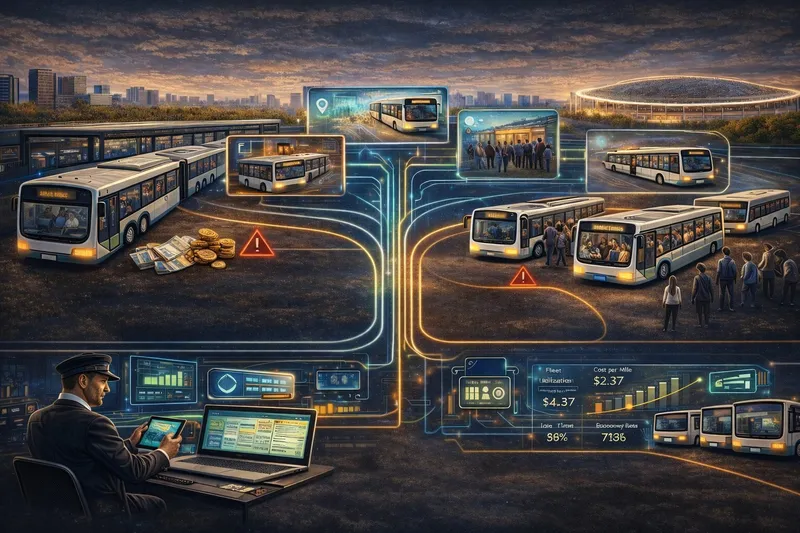
In many transport systems, bus allocation still runs on habit. A route gets a certain type of bus because it has always had that bus.
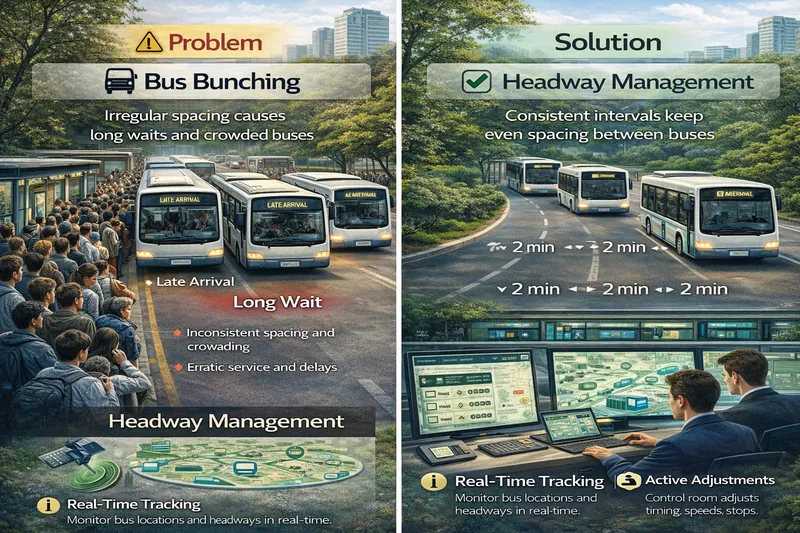
If you’ve ever waited 20 minutes for a bus and then watched two or three arrive together, you’ve experienced bus bunching —one of the most common and most frust...
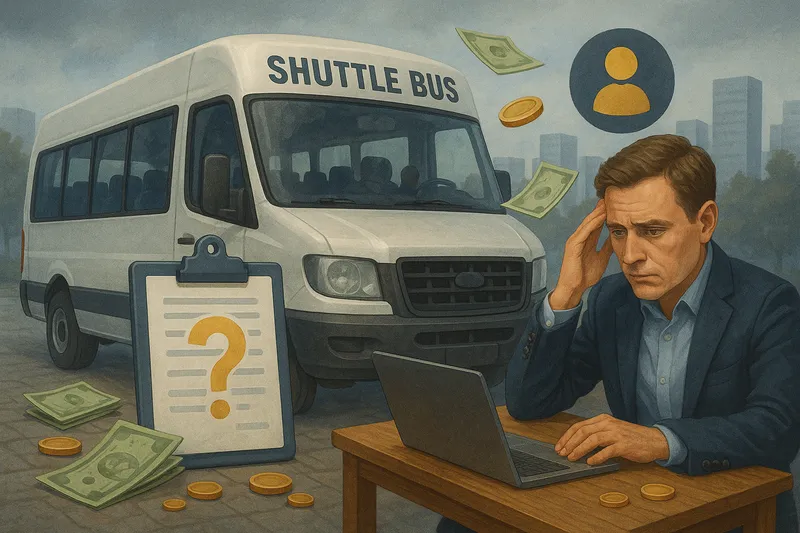
Walk into almost any corporate parking lot around 8 AM or 6 PM, and you’ll notice something interesting: long shuttle buses lined up, engines running, doors ope...

Mobility within the city remains a constant issue. As population densities rise and demands for effective transport grow, aging systems fall behind. Congestion,...
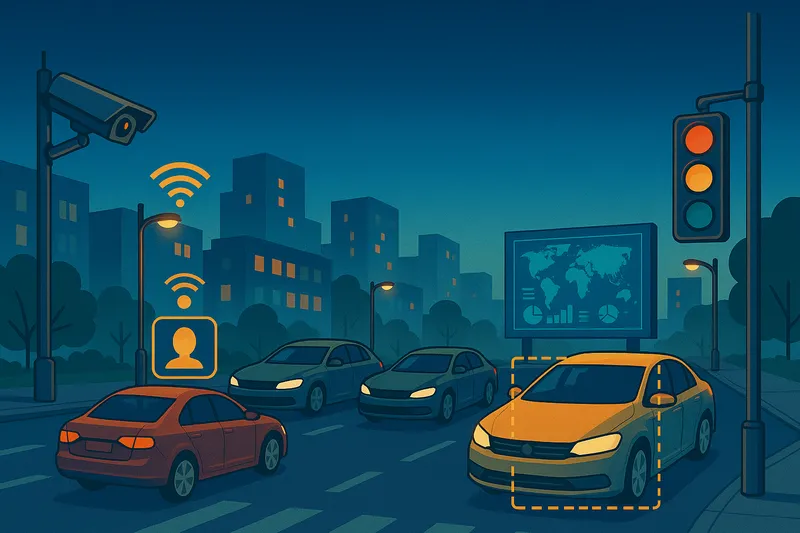
The widespread urbanization of the population, increases in private car use, and increasing pressures on public transport and logistics have placed record stres...
Showing 1 to 9 of 21 results