
Cart is empty
09/04/2026
From Fare Collection to Network Intelligence: How AFC and Route Systems Work Better Together
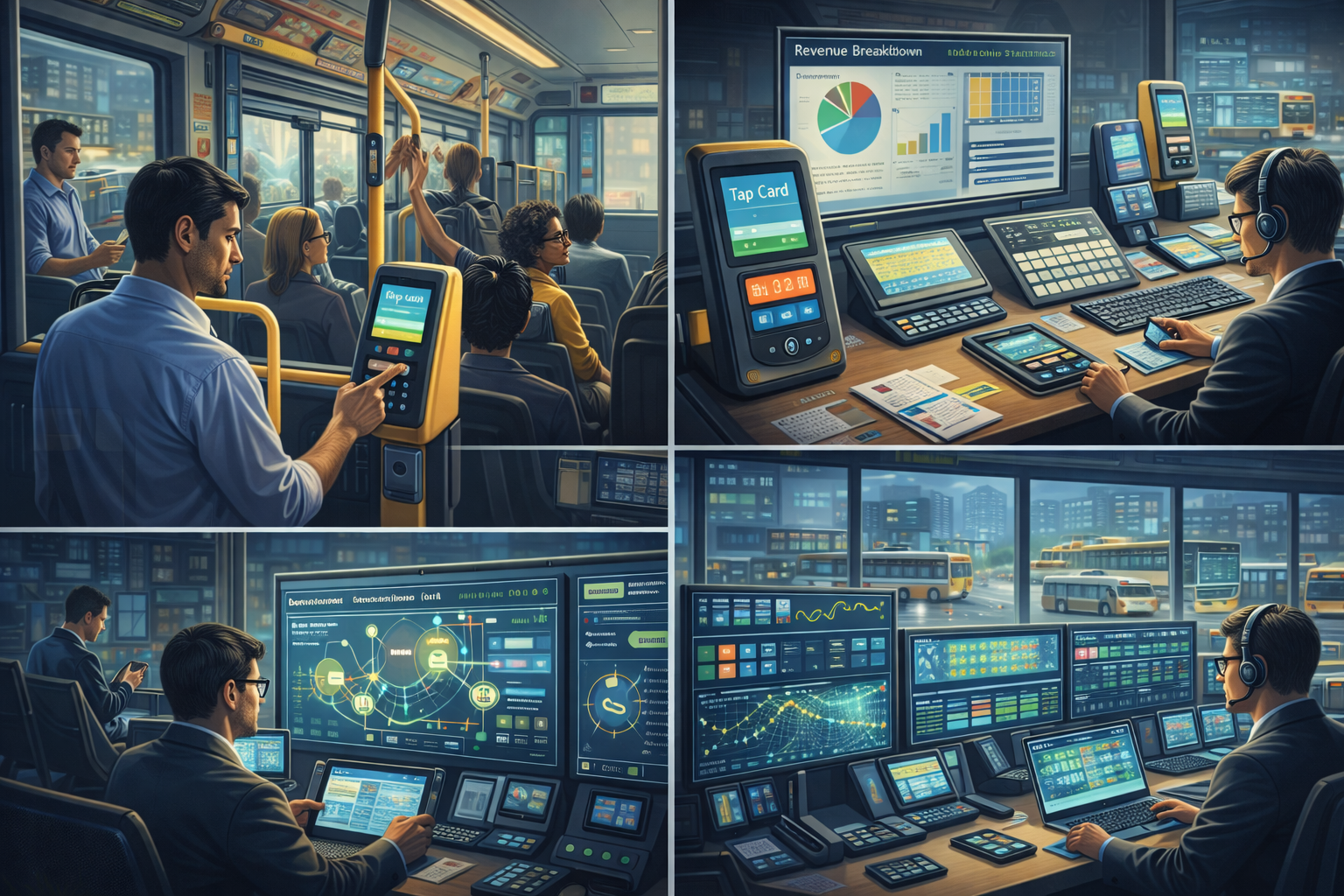
If you look at how most public transport systems are set up, you’ll notice something quite common. Ticketing and operations usually sit in different worlds.
On one side, there’s fare collection—smart cards, QR tickets, and digital payments. On the other, there’s route planning, vehicle tracking, and day-to-day operations. Both are important. But when they work separately, you only see...

13/03/2026
Public Transport Dispatch Systems: Manual vs Digital Control Centers
Managing a public transport dispatch system is often one of the most demanding parts of running a bus network. While passengers mainly notice buses arriving at stops, the real work of keeping...
10/03/2026
Smart Parking for Bus Depots and Terminals: Designing Space for Operational Efficiency
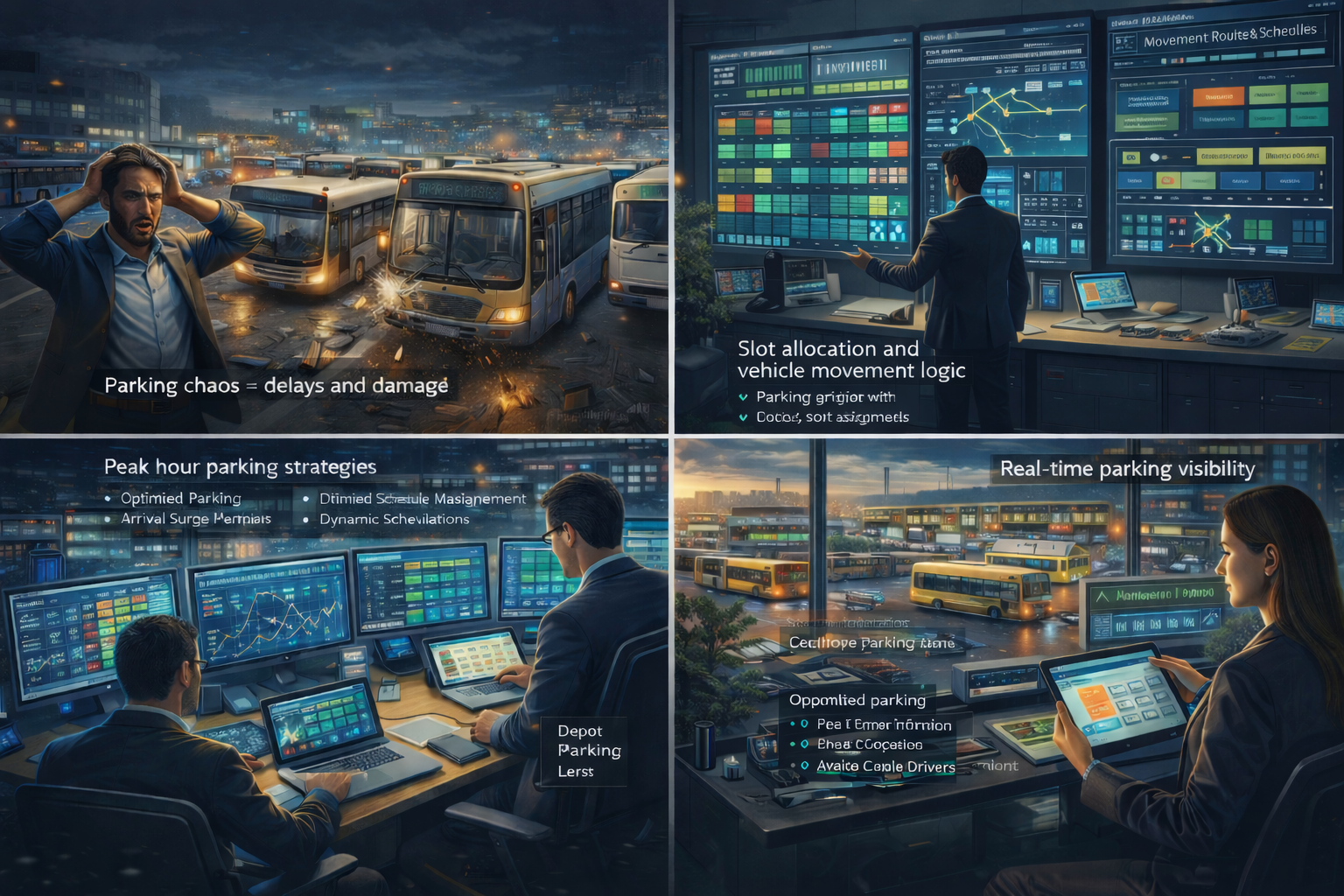
When people talk about improving public transport, the conversation usually revolves around routes, new buses, or passenger technology. Depot parking rarely comes up.
But if you spend even a...
04/03/2026
Route Simulation: A Safer Way to Plan Transit Changes
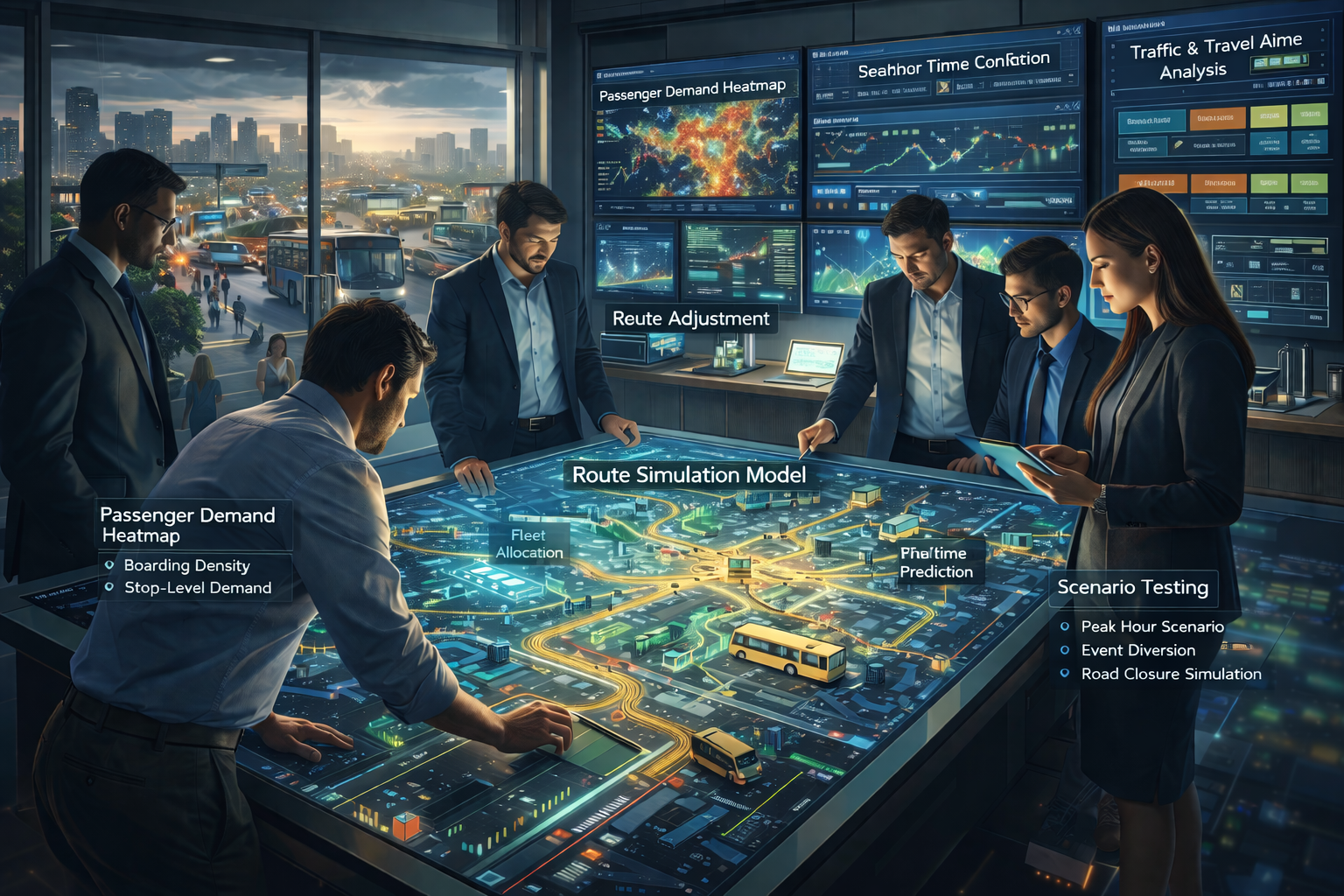
In most cities, changing a bus route is a serious decision.
It might look like a small adjustment on paper—adding a few stops, changing a corridor, increasing frequency, or introducing a...

19/02/2026
Incident Management for Public Transport: From Breakdown Alerts to Action
In public transport operations, incidents are inevitable. No system runs an entire day without disruption. Vehicles break down, traffic conditions change unexpectedly, drivers report issues...
18/02/2026
GTFS vs Custom Feeds: What’s the Best Standard for Your City’s Transit Data?
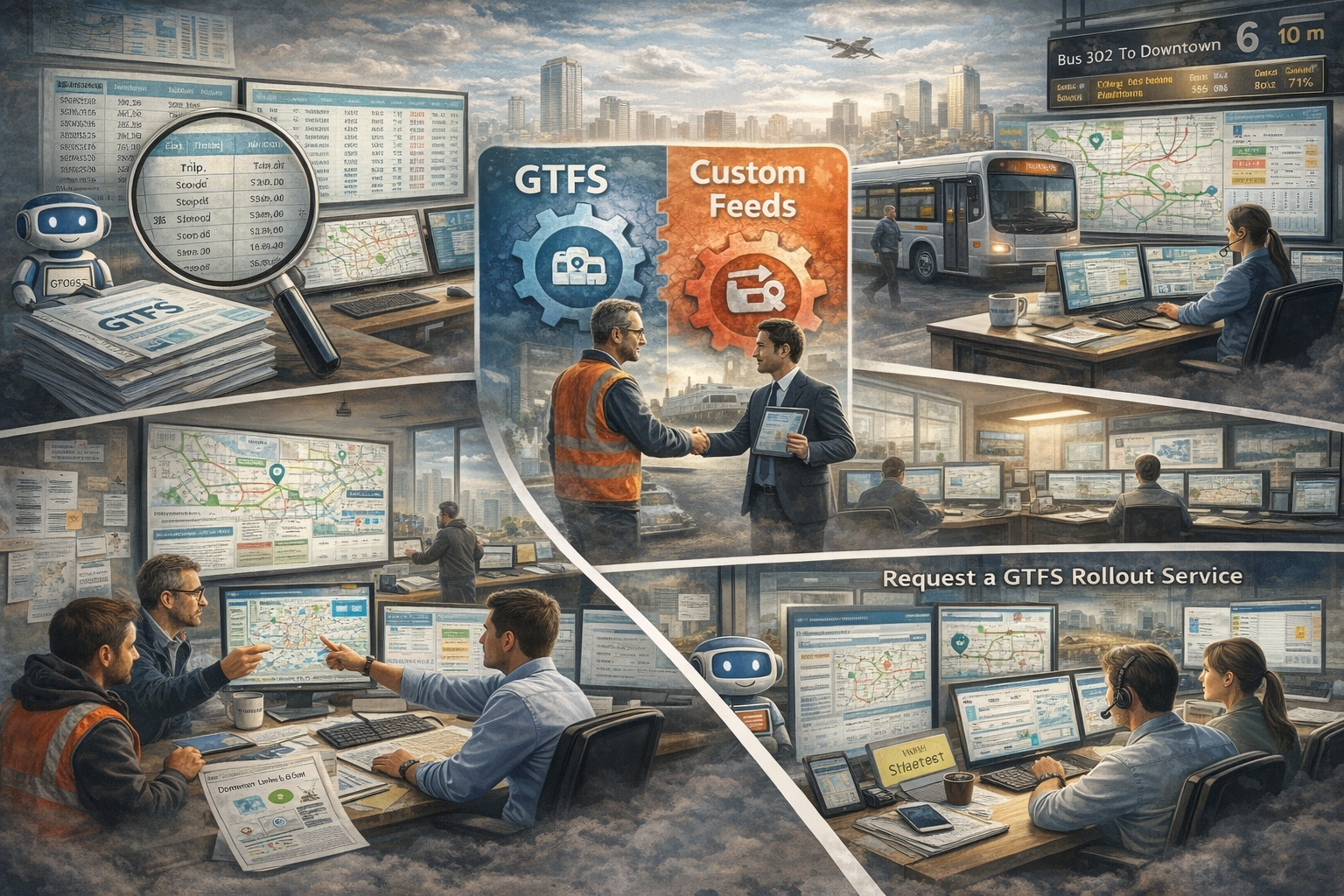
Most cities eventually reach this point.
Someone says, “We need GTFS.”
Someone else says, “We already have our own data format.”
IT asks about integration.
Operations asks what changes....
14/02/2026
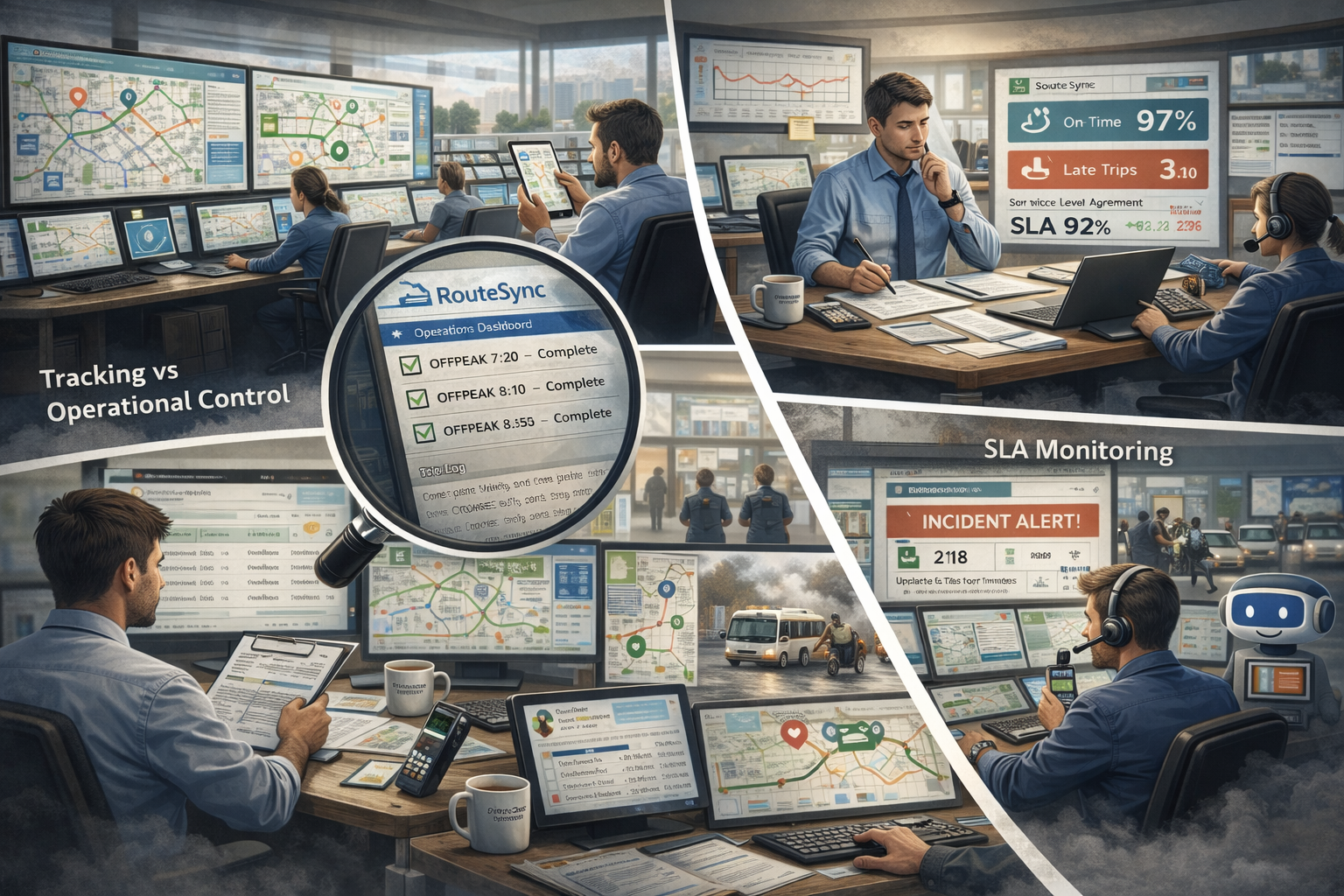
Real-Time Tracking in Public Transport: From Visibility to Operational Control
When agencies say they have real-time tracking, what they usually mean is this: there’s a screen somewhere with buses moving across a map.
That’s useful. It gives visibility. But if we’re...
10/02/2026
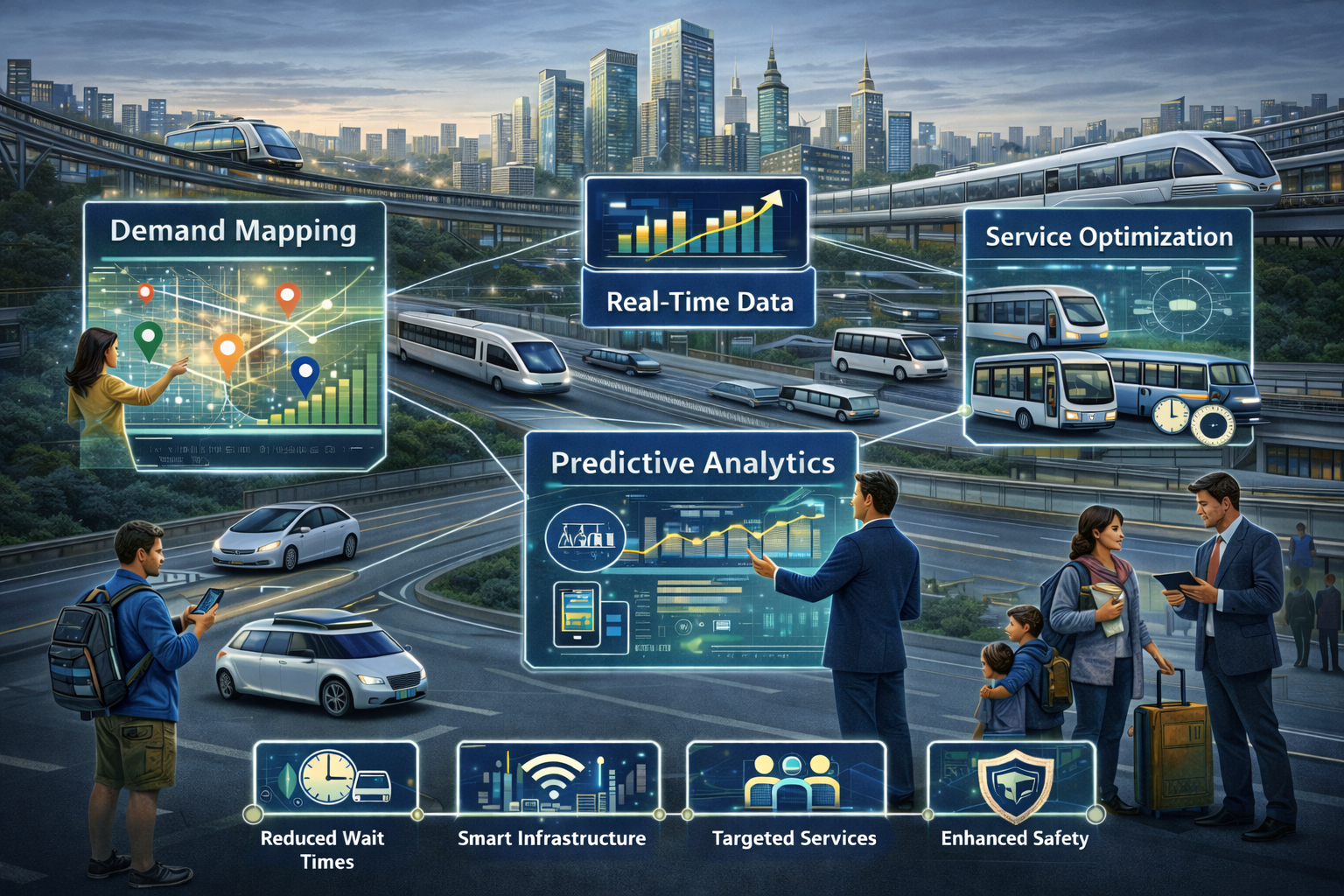
Passenger Intelligence: How Cities Use Demand Data to Improve Ridership
For decades, public transport planning relied on assumptions. Routes were drawn based on past usage, surveys were conducted once in a few years, and service changes were often...
06/02/2026
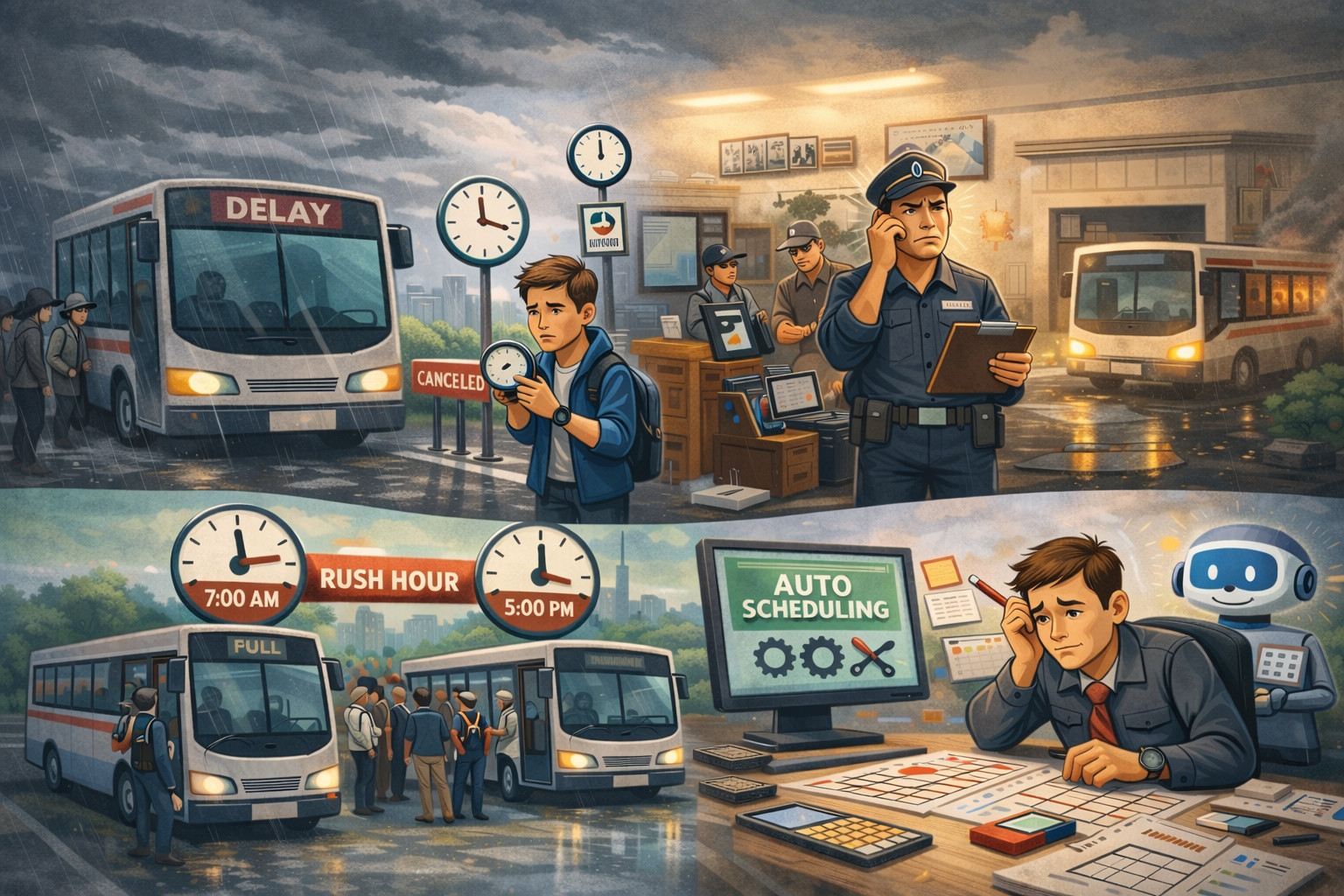
Timetable Generation vs Trip Scheduling: What Transport Operators Get Wrong
In most transport organisations, timetables get a lot of attention. They’re reviewed, approved, published, and often treated as the backbone of the operation. Once that’s done, the expectation is...
05/02/2026
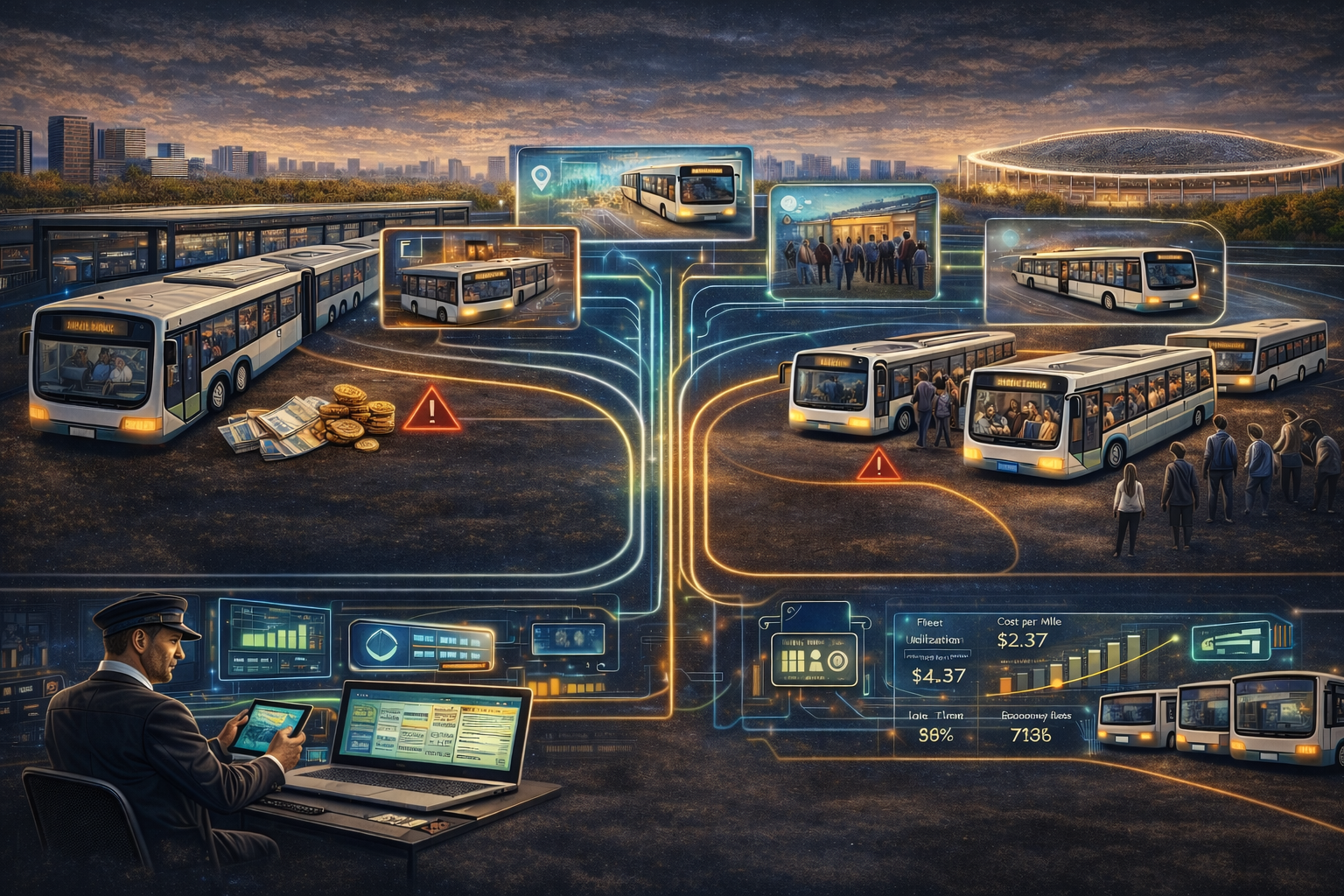
Bus Allocation Optimization: How to Match Fleet Type to Demand Without Guesswork
In many transport systems, bus allocation still runs on habit. A route gets a certain type of bus because it has always had that bus. Nobody questions it unless something goes visibly...
51122
 Facebook
 Instagram
 LinkedIn
 YouTube