
Cart is empty
How AFC Systems Help Transport Authorities Track Passenger Demand Accurately
27/04/2026
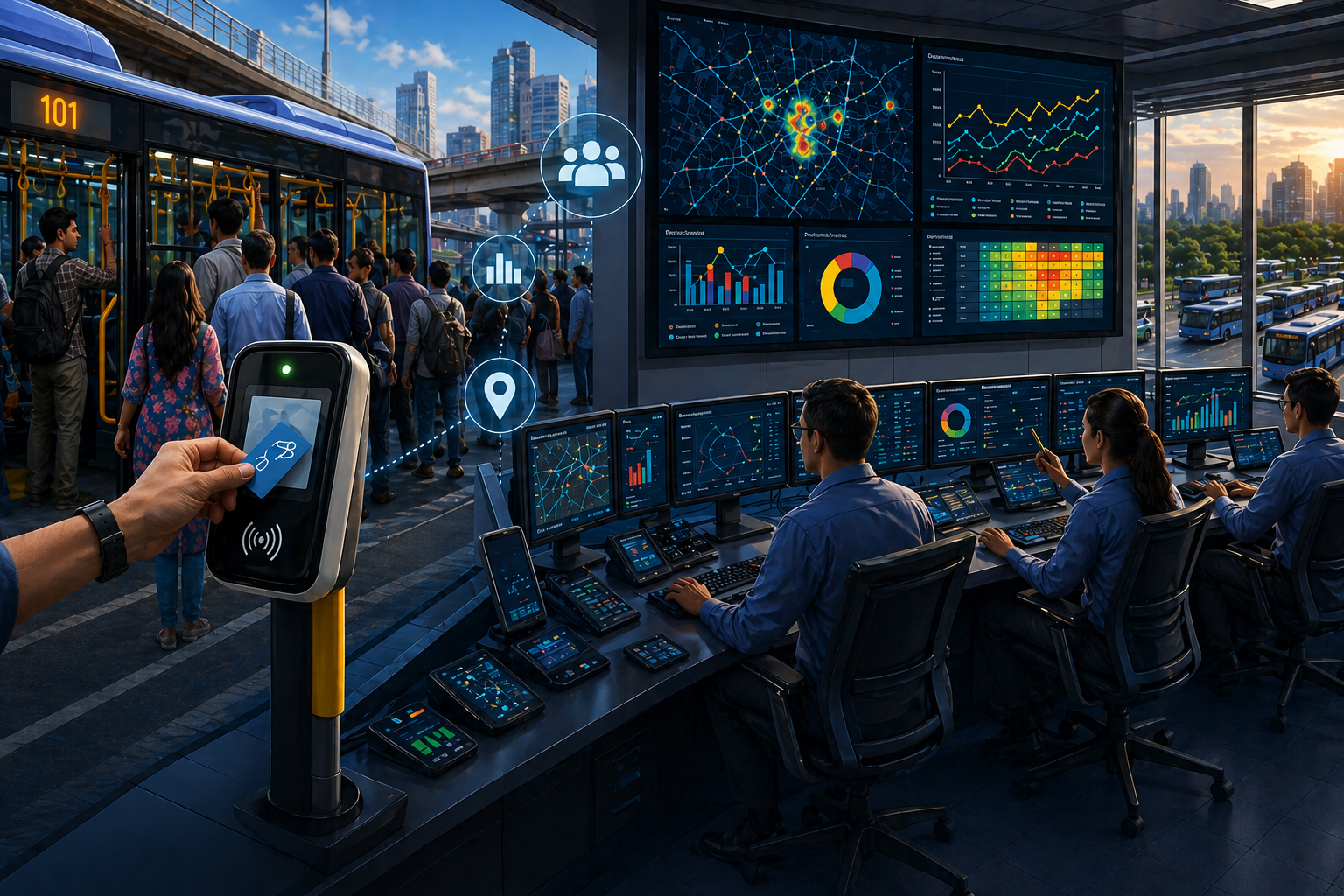
Ask any transport planner what’s hardest to measure, and you’ll often hear the same answer—passenger demand. Not because the data doesn’t exist, but because, traditionally, it hasn’t been easy to capture in a reliable and continuous way.
For a long time, demand was estimated. Surveys were conducted every few months. Manual counts were taken at selected stops. Sometimes, decisions were made based on experience rather than real numbers. That approach worked to a certain extent. But as cities expanded and travel patterns became less predictable, those methods started falling short.
This is where AFC (Automated Fare Collection) systems have quietly changed the game.
Moving Beyond Estimates
Before AFC, most transport systems operated with partial visibility.
You might know how many tickets were sold in a day, but not necessarily:
- where passengers boarded
- when demand peaked
- how usage varied across different routes
So, planning often relied on approximations. With AFC in place, that gap begins to close. Every transaction—whether it’s a smart card tap, a QR scan, or a mobile ticket—adds to a growing dataset. And over time, that dataset becomes far more reliable than periodic surveys. It doesn’t just show totals. It shows patterns.
What Demand Looks Like When You Can Actually See It
Once AFC data starts coming in consistently, the picture becomes clearer. You begin to notice things that were previously easy to miss. Certain routes carry steady demand throughout the day. Others spike sharply during specific hours. Some stops generate far more boarding activity than expected.
It’s not always dramatic. But it’s enough to change how decisions are made. Instead of asking “What do we think is happening?”, the conversation shifts to “What is actually happening?”
From Data Collection to Real Understanding
Of course, collecting data is one thing. Making sense of it is another. AFC systems provide raw information, but the real value comes when that information is interpreted in context.
For example, high passenger numbers on a route might indicate strong demand. But without looking at service performance, it’s hard to know whether that demand is being handled efficiently.
This is where integration matters. When AFC data is combined with operational systems—like route tracking and fleet monitoring—you start to see how demand and service interact.
Solutions like RouteSync from Arena Softwares help bring that perspective together. Instead of looking at ticketing and operations separately, transport teams can view them side by side. And that’s when the data becomes genuinely useful.
Better Decisions, Without the Guesswork
One noticeable change with AFC-based insights is how planning evolves. Adjustments that once required lengthy studies can now be made with more confidence.
You might see:
- a route that consistently fills up earlier than expected
- a corridor where demand drops after a certain time
- a service that isn’t being used as much as planned
None of this is surprising in isolation. But having consistent data behind it makes it easier to act. Over time, decisions become less reactive and more grounded in actual usage patterns.
Why This Matters More Now Than Before
Public transport systems today are under pressure to do more with the same resources. Ridership expectations are higher. Cities are growing. Travel patterns are changing faster than they used to. In that environment, relying on outdated demand estimates is risky.
Accurate demand tracking helps authorities:
- avoid overcrowding where possible
- allocate vehicles more effectively
- improve service consistency
These improvements don’t happen overnight. But they build gradually as the system becomes more informed.
A Practical Shift, Not Just a Technical One
What’s interesting about AFC is that its biggest impact isn’t just technological—it’s operational. It changes how transport teams think. Instead of working with assumptions, they work with evidence. Instead of reacting after issues appear, they can spot patterns earlier.
And when that data is connected with platforms like RouteSync, it becomes part of a larger operational picture—one that includes movement, performance, and demand together.
Final Thought
Passenger demand has always been there. The challenge was seeing it clearly. AFC systems don’t just collect fares—they reveal how people actually use public transport.
And once that visibility improves, everything else—planning, operations, decision-making—starts to improve with it.
If you're looking to understand passenger demand more clearly using AFC data, you can request a demo from Arena Softwares to see how RouteSync helps connect demand insights with real-world operations.
226
 Facebook
 Instagram
 LinkedIn
 YouTube