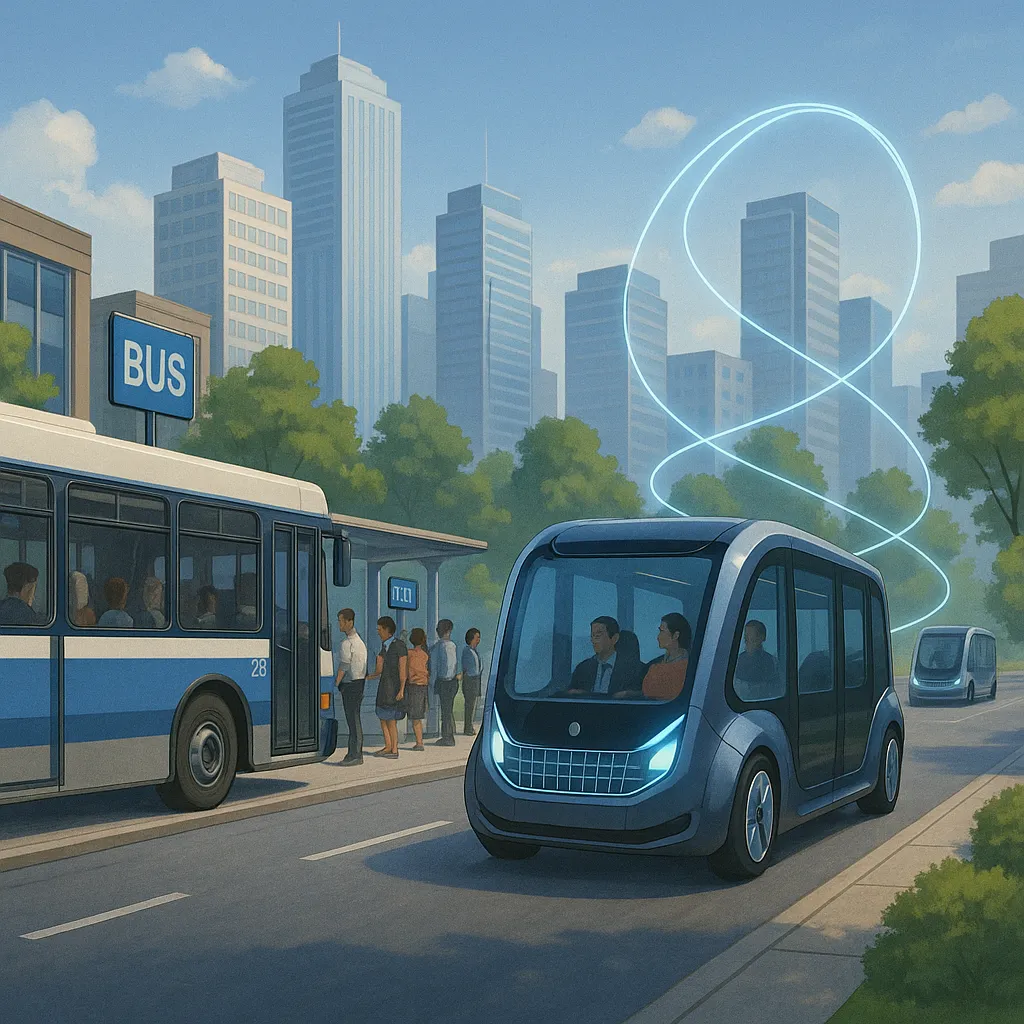
If you’ve spent any time looking at how cities move, you’ve probably noticed something: while our buildings get taller, our roads get wider, and our populations grow more diverse, one part of the system stubbornly refuses to evolve — our feeder routes.
These routes were designed years ago, during a time when people lived in predictable clusters and travelled in predictable patterns. They were built with the assumption that everyone in a neighbourhood moved the same way, at the same time, to the same destination. But today, the way people travel looks nothing like that. Yet the feeder routes stay the same. It’s no surprise that many of them feel outdated, inefficient, and out of touch with how cities actually function now.
Why Fixed Feeder Routes Are Failing Cities Today
Anyone who uses or manages a feeder route can see the cracks forming. Some buses are jam-packed, while others pass by empty. Routes that were once busy now serve barely a handful of daily riders. Entire neighbourhoods have sprung up outside the old route maps, but the route never quite “learnt” to include them.
The city changed — the feeder system didn’t.
The real problem with fixed routes is that they depend on assumptions made long ago. They don’t evolve with people’s shifting travel patterns, changing work habits, new housing pockets, or even day-to-day demand.
So, we end up with common frustrations like:
- buses driving long routes with very few passengers,
- clusters of commuters left unserved,
- and networks that cost more than they deliver.
And while these issues seem small individually, together they shape the larger problem: cities are carrying the cost of inefficiency every single day.
Why Dynamic Feeder Systems Make Sense Now
Cities don’t move in straight, predictable lines anymore. People move around because of job changes, flexible hours, new housing developments, or simply personal preference. Demand today is fluid — and the mobility system needs to reflect that.The next step forward is a feeder network that doesn’t stay frozen on a map but adjusts, shifts, and responds to where people actually are.
A dynamic or semi-flexible feeder system can:
- follow demand instead of assumptions,
- shorten or extend routes based on real-time usage,
- cluster passengers efficiently,
- and reduce empty kilometres that cost operators money.
This isn’t just about moving buses around. It’s about building a mobility system that breathes with the city.
Where RouteSync Makes the Difference
At Arena Softwares, we’ve watched cities struggle with feeder systems that stopped evolving years ago. And we realized that the only way to fix them is to give planners the visibility they’ve never had—real-time insight into how people actually move.
That’s what RouteSync was built for.
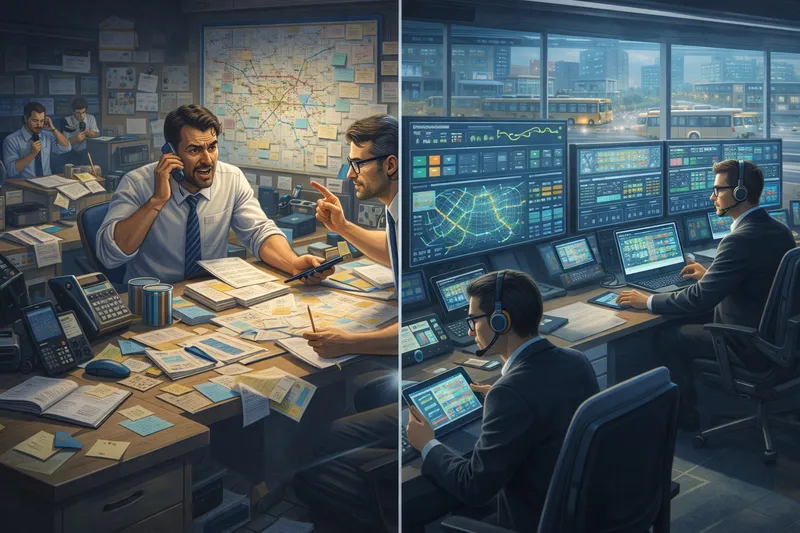
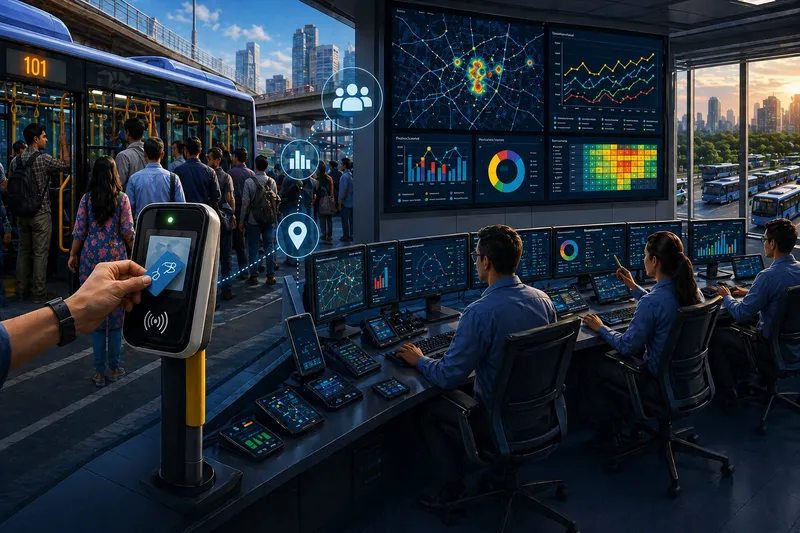
Instead of relying on annual surveys or outdated ridership reports, RouteSync constantly studies live travel patterns. It identifies where commuters are clustering, which areas are gaining or losing demand, and how ridership shifts at different times of the day. This insight gives operators a powerful advantage: they can reshape routes confidently instead of guessing.
A Real Scenario: When Demand Shifted Overnight
One city we worked with had a feeder route that used to serve older residential blocks. Over time, new apartments opened a few kilometres away, slowly drawing commuters out of the older areas. But the feeder route never changed. Ridership kept falling, and the operator assumed interest was dying.
Once they deployed RouteSync, the platform showed a clear pattern — demand wasn’t disappearing; it had simply moved. Within weeks, the operator added a semi-flexible branch to cover the new housing pocket. Suddenly, occupancy shot up, and the route felt alive again.
Another Case: Balancing the Load
In another situation, two parallel corridors showed opposite patterns: one bus was always overloaded, and the other was nearly empty. Traditional planning would have suggested adding another bus to the crowded route. But RouteSync’s data revealed a smarter alternative.
Two low-demand segments were merged, freeing up one vehicle to support the high-demand corridor — without adding a single bus to the fleet. The result felt almost effortless: smoother operations, happier commuters, and lower costs.
What Dynamic Mobility Really Means
Dynamic routing isn’t about constant chaos or unpredictable schedules. It’s about being responsive. It’s about a feeder system that understands when demand clusters shift and adjusts with them — gently, intelligently, and without disrupting commuters.
RouteSync gives operators the tools to do exactly that:
- replan routes with confidence,
- eliminate wasteful kilometres,
- improve ridership,
- and build a mobility network that feels alive, not outdated.
It’s the difference between a feeder system that struggles to stay relevant and one that naturally grows with the city.
Looking Ahead: The Future Belongs to Adaptive Cities
Urban mobility is heading toward flexibility, not rigidity. The cities that thrive will be the ones that adopt systems capable of learning from demand, adjusting to it, and improving continuously.
Static feeder routes had their time. Now, dynamic and semi-flexible systems are stepping into the spotlight. And platforms like RouteSync are making that transition not only possible but practical.
Build a Smarter, More Responsive Feeder Network with Arena Softwares
If your feeder routes feel outdated, inefficient, or misaligned with today’s travel patterns, this is the moment to rethink how they operate. With RouteSync, operators gain the ability to adapt routes based on real demand and create a mobility experience that finally matches the rhythm of the modern city.
Let Arena Softwares help you build the next generation of urban mobility — one route, one cluster, one intelligent decision at a time.
Comments
0 messagesLeave a comment
Your email won't be published. Anonymous commenters can skip both name and email.